
BSc (Hons)
DEGREE QUALIFIED

FULLY
Insured

TEL: 07775 161526
Canine enquiries: info@avpHydro.co.uk
Equine enquiries: anglianvetphysio@gmail.com
CANINE PHYSIOTHERAPY

Anglian Vet Physio & Hydro provides Canine Physiotherapy at our centre in Thurton, NR14 6GP, Norfolk. Get in touch if you would like to get booked in or if you have any questions!
Physiotherapy is an effective tool in helping animals recover from many conditions and manage chronic conditions.
We have many years experience in treating ailments and physical limitations that enable your canine friend to live life to the fullest.


Signs Your Dog Might Need Physiotherapy Treatment
Changes in behaviour
Reduction in play
Muscle asymmetry
Reluctance to go for walks or slowing down
Struggling with steps or stairs
Reluctance to jump in/out of car or on/off of furniture
Stumbling frequently
No longer lifting leg to urinate
Lameness
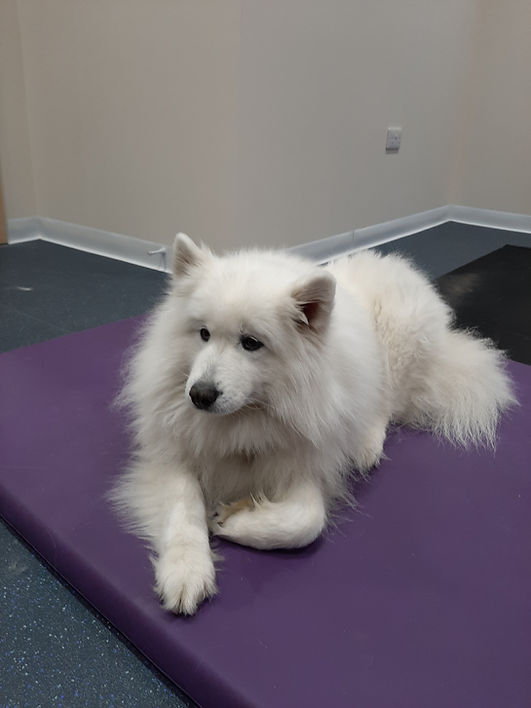

Conditions commonly treated:
Hip/elbow dysplasia
Neurological conditions e.g. Fibrocartilaginous embolism (FCE), intervertebral disc disease (IVDD)
Luxating patella
Cruciate rupture/injuries
Fractures
Arthritis
Pre and post surgical patients
Soft tissue injuries
Tripods
Obesity and weight management
Athletic performance training

What does a physiotherapy appointment involve?
Static and dynamic assessment:
A thorough assessment will be made including both static and dynamic observations, covering all aspects of your animals life and management.
Static assessment involves a visual assessment of your animals posture and conformation. Dynamic observations involve assessing the way your animal moves. This is then followed by a skeletal and soft tissue assessment. This will help to identify any movement abnormalities, weaknesses, asymmetries and areas of tension and soreness. The findings of these assessments along with the full veterinary history will be linked together to create a treatment plan that is tailored specifically to your animal.
For equine clients, I may also need to see your horses' saddle and bridle, as well as observe them being lunged and/or ridden.
Physiotherapy treatment:
Your animal will have an individual treatment plan specialised to their case. Therapies and techniques may include:
-
Massage therapy; including indirect myofascial and craniofascial techniques.
-
LASER therapy
-
Pulsed-electro Magnetic Field Therapy (Pulse Mag)
-
Therapeutic Ultrasound
-
Transcutaneous Electrical Nerve Stimulation (TENS) therapy
-
Neuromuscular Electrical Stimulation therapy (NMES)
-
Heat therapy and cold therapy
-
Passive stretches and baited stretches
-
Remedial Exercises; such as pole work and dynamic and static exercises.
